Ask an audiologist: How should I prepare for my first hearing test?
Get the inside scoop from hearing expert Monica Murray, Au.D., of EPIC Hearing.
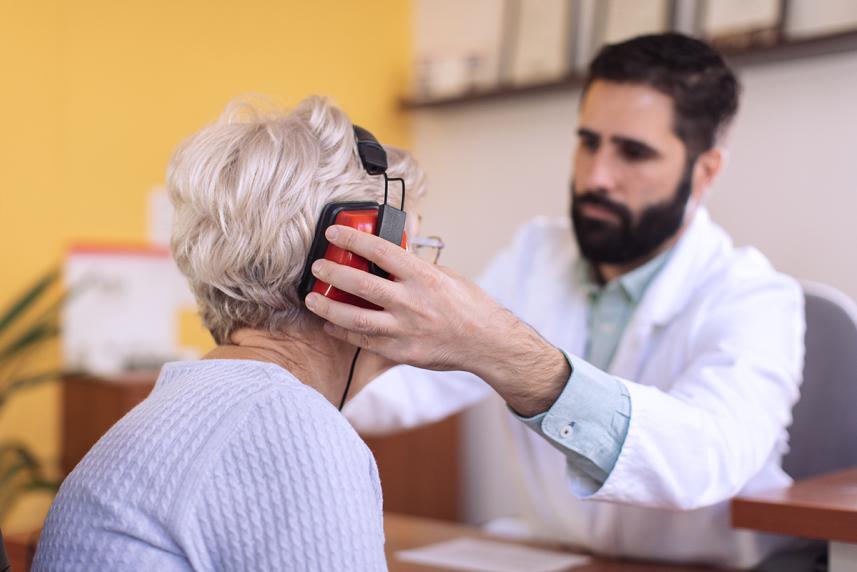
Many people start to notice hearing problems as they get older. And wearing hearing aids could make a big difference. Whether you’re new to the world of hearing aids or you’ve been wearing these devices for a while now, it’s normal to have some questions. In this series, an expert audiologist at EPIC Hearing gives helpful advice about common concerns.
Question
I’ve just scheduled my first hearing test. What topics should I be prepared to talk about with my hearing care professional?
Answer
The early signs of a hearing problem can sneak up on you. So it’s great that you’ve scheduled a hearing test to have your ears checked.
At the appointment, a hearing care professional will ask questions about your hearing. They’ll also perform a series of tests to help figure out what’s going on. Then they’ll recommend the next best step for you. That could mean treatment, including hearing aids.
Here are some topics to think about ahead of time, plus things to ask during the appointment.
Come prepared with some examples. Think about two or three situations where you're having difficulty hearing. Is it hearing your grandkids? Hearing on the phone? Hearing the television? Are you avoiding parties these days because you can't hear well?
Details like these are useful. They help your hearing care professional get a better sense of your hearing issues.
Bring up these two symptoms as well. Tell your hearing care professional if you’ve noticed any ringing in your ears (also called tinnitus) or dizziness. Both could be signs of age-related hearing loss. Tinnitus is pretty common. And dizziness, too, can signal the beginnings of hearing loss. So it’s important for your provider to know.
Get a thorough explanation of your results. Your hearing care professional will perform a series of tests. The most common one is called a pure-tone audiogram, which measures how well you hear different tones. Other tests measure how well you hear words and how well your eardrum works.
Your provider should go over the test results with you right away. Make sure that they take the time to clearly explain the results — and how they impact your ability to hear. For example, if the tests show that you do have some hearing loss, is it mild or moderate?
Find out next steps. If your hearing is abnormal, ask whether there are any other diagnostic tests you need and how to schedule them.
What if the results show that your hearing is normal? Your hearing care professional will probably suggest monitoring and retesting in the future. Ask about that timeline. They may not need to see you again for a few years.
Ask if you’re a candidate for hearing aids. Hearing aids have many benefits: They’re designed to help people hear better, and they could boost quality of life in other ways too. If you’re a candidate, ask what you can expect from wearing devices. How much might they improve your hearing?
That’s a key question because some people, for example, have a really hard time hearing speech. And for those people, speech and words may not be 100% clear even with hearing aids. Your hearing care professional will be able to set realistic expectations about the benefits of devices for your specific type of hearing loss.
(Did you know that many hearing benefits, including a hearing exam and consultation, are covered through EPIC Hearing Healthcare? Learn more.)
Published Dec 29, 2025
Meet the expert
Monica Murray, Au.D., is vice president of program development at EPIC Hearing and a nationally recognized hearing health expert.

Information is for educational purposes only and is not a substitute for the advice of a licensed medical provider. Consult your provider prior to making changes to your lifestyle or health care routine.